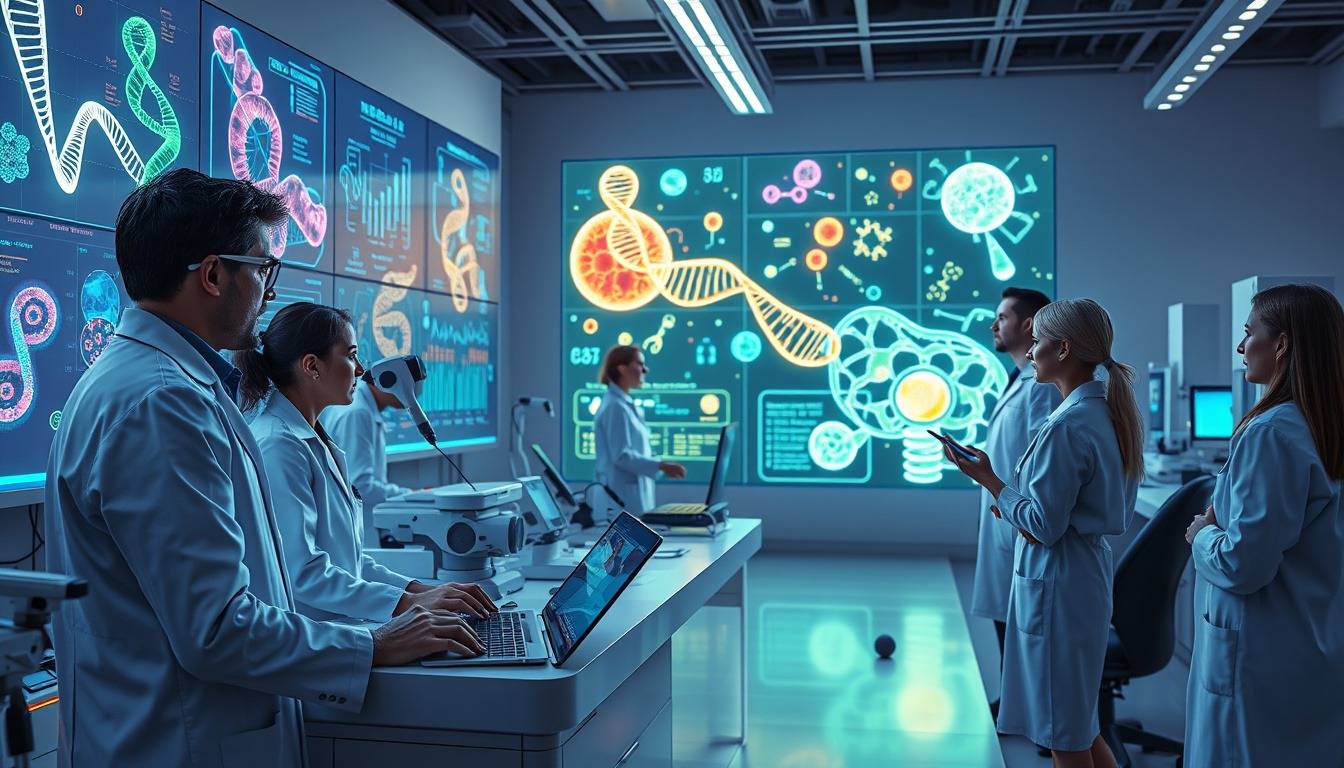
In the fast-paced world of biotechnology, the integration of artificial intelligence (AI) with biological research is proving to be both pivotal and challenging.
One significant hurdle is the so-called ‘data wall’—a barrier that limits the accessibility and usability of biological data for research and development.
Basecamp Research, spearheaded by CEO Glen Gowers and co-founder Oliver Vince, is at the forefront of breaking down these barriers.
By embarking on rigorous explorations, from lush rainforests to the mysterious depths of our oceans, the team has been tasked with collecting and analyzing an extensive array of biological samples.
Their mission is not only to amass data but also to transform it into valuable insights that can drive innovation in the biotech sector.
In doing so, Basecamp Research is setting a new standard for how data can be managed, utilized, and applied in the realm of health technology and beyond.
This article will delve into the challenges presented by the data wall, the innovative strategies developed by Basecamp Research, and the broader implications these advancements hold for the future of biotechnology.

Key Takeaways
- Basecamp Research is tackling the ‘data wall’ issue in AI by enhancing data accessibility in biology.
- Extensive explorations for biological samples are key to improving AI applications in biotech.
- The initiative is indicative of larger trends in health tech that prioritize better data management.
The Challenge of the Data Wall in Biological Research
In the rapidly evolving biopharma landscape, the challenge of the ‘data wall’ is a significant barrier that researchers face, particularly in harnessing the potential of artificial intelligence (AI) for biological insights.
Basecamp Research, led by visionary CEO Glen Gowers and co-founder Oliver Vince, is spearheading efforts to dismantle these data walls, which often hinder the accessibility and usability of crucial biological data.
By conducting extensive explorations in diverse ecosystems—from dense rainforests to the unexplored depths of the ocean—Basecamp’s dedicated scientists have gathered a wealth of biological samples.
Their innovative approach aims to revolutionize how data is collected, managed, and analyzed, thereby facilitating more seamless integration of AI technologies in biological research.
This initiative not only promises to enhance the clarity and insight derived from complex biological datasets but also signifies a broader trend within the biotechnology sector where the role of data is becoming increasingly pivotal in shaping the future of health tech.
By prioritizing data accessibility, Basecamp Research is not only addressing current challenges but is also setting the stage for significant advancements in biopharma and health technology, ultimately paving the way for more informed decision-making and accelerated innovation in drug development and therapeutics.
Innovative Solutions by Basecamp Research and Their Impact on Biotech
Basecamp Research’s transformative approach to data management reflects a growing recognition within the biopharma industry of the critical role that data plays in driving successful outcomes in biotechnology.
By focusing on overcoming the challenges presented by data silos, the organization is not just enhancing its internal capabilities; it is also fostering a collaborative environment that encourages knowledge sharing across organizations.
This collaborative spirit is essential for synergizing data insights, which can lead to groundbreaking developments in diagnostics and therapeutic strategies.
Moreover, as the biotech landscape continues to intersect with AI advancements, the implications of Basecamp’s work extend beyond mere research practices; they offer a glimpse into a future where real-time data analysis can significantly impact patient outcomes and streamline clinical trials.
As biopharma professionals, staying attuned to these innovations is crucial, as they may very well dictate the next wave of breakthroughs in personalized medicine and targeted therapies.