
Eli Lilly has made headlines by becoming the first pharmaceutical company in history to achieve a market capitalization of $1 trillion, a monumental milestone primarily driven by its innovative obesity treatments.
As healthcare professionals and investors closely monitor developments in the biopharma sector, this achievement underscores the growing importance of obesity management within the pharmaceutical landscape.
This article delves into Eli Lilly’s groundbreaking advancements in its GLP-1 therapies, examines the impact of these treatments on the company’s financial standing, and discusses what the future may hold for obesity treatments as a market segment.

Key Takeaways
- Eli Lilly is the first pharmaceutical company to achieve a $1 trillion market cap due to its innovative obesity treatments.
- Sales of Eli Lilly’s GLP-1 therapies have surged, demonstrating significant market demand and potential for future growth.
- The company is expanding its portfolio with new drugs and is under scrutiny for pricing strategies as it navigates rapid growth.
Groundbreaking Achievements in Obesity Treatments
In an era where obesity has emerged as a pressing health concern, Eli Lilly has made waves in the biopharmaceutical industry by achieving unprecedented milestones in obesity treatment.
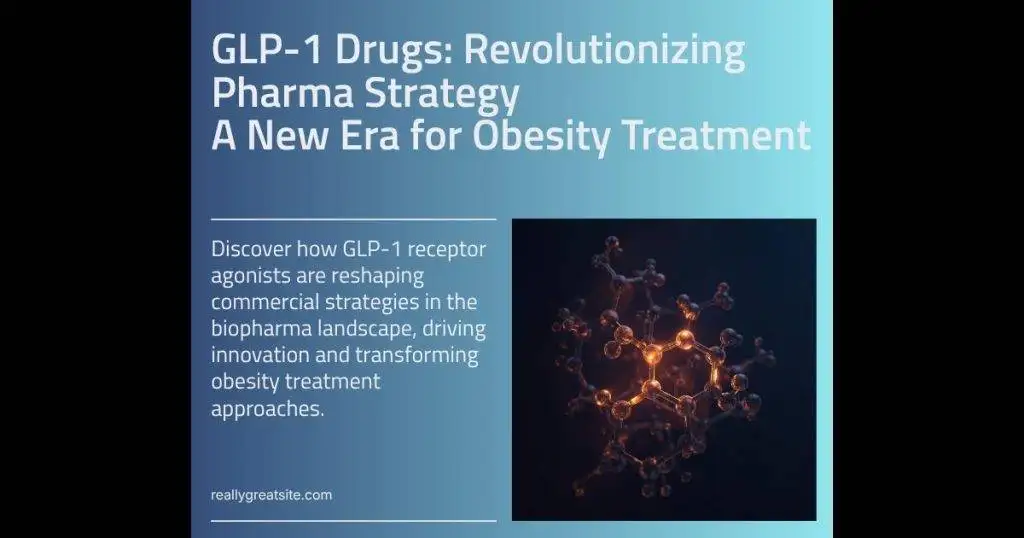
The company’s recent triumph in reaching a market capitalization of $1 trillion distinguishes it as the first pharmaceutical entity to hit this remarkable benchmark — an achievement largely attributed to its innovative GLP-1 therapies, Zepbound and Mounjaro.
Initially valued at under $100 per share in 2018, Eli Lilly’s stock has skyrocketed, buoyed by the impressive efficacy of these medications in facilitating significant weight loss and managing diabetes effectively.
In just the first nine months of 2025, sales from Zepbound and Mounjaro soared to nearly $19 billion, surpassing the sales figures of formidable competitors like Merck’s Keytruda.
Analysts on Wall Street are buzzing with optimism, projecting that the obesity treatment market may burgeon to $100 billion by 2030, thereby solidifying Eli Lilly’s foothold for sustained success.
This ascent is particularly noteworthy given the company’s prior stature in comparison to giants such as Johnson & Johnson and Pfizer, especially considering its smaller workforce.
Nevertheless, Eli Lilly’s commitment to aggressive investment in drug production, coupled with the soaring popularity of its GLP-1 products, has propelled it to a position where it boasts more than double the market value of any other drugmaker.
Despite facing scrutiny from lawmakers regarding drug pricing, Eli Lilly continues to innovate, with plans to introduce a new GLP-1 pill aimed at weight loss and to explore additional treatments that promise even greater weight loss outcomes.
The insights provided by CEO David Ricks and Chief Scientific Officer Dan Skovronsky highlight the transformative potential of Eli Lilly’s obesity medications, underscoring the pharmaceutical industry’s recognition of this crucial market.
Strategic Future and Market Impact
As Eli Lilly embarks on its strategic future in the biopharmaceutical landscape, its focus on novel developments and market expansion are poised to significantly impact healthcare.
The company’s innovative GLP-1 therapies not only address obesity but also intersect with diabetes treatment, echoing a multifaceted approach to health management.
With projected growth in the obesity treatment sector, Eli Lilly’s R&D investments are likely to accelerate, enhancing its product pipeline.
The anticipated launch of new medications like the GLP-1 pill for weight loss exemplifies how Lilly is positioning itself at the forefront of market demands.
As legislative scrutiny over drug pricing continues, Eli Lilly’s commitment to making its treatments accessible while maintaining profitability will play a crucial role in defining its market strategy.
Overall, Eli Lilly’s strategic initiatives, combined with market trends, are setting the stage for a transformative era in biopharma, promising not just financial success but also significant advancements in patient care.