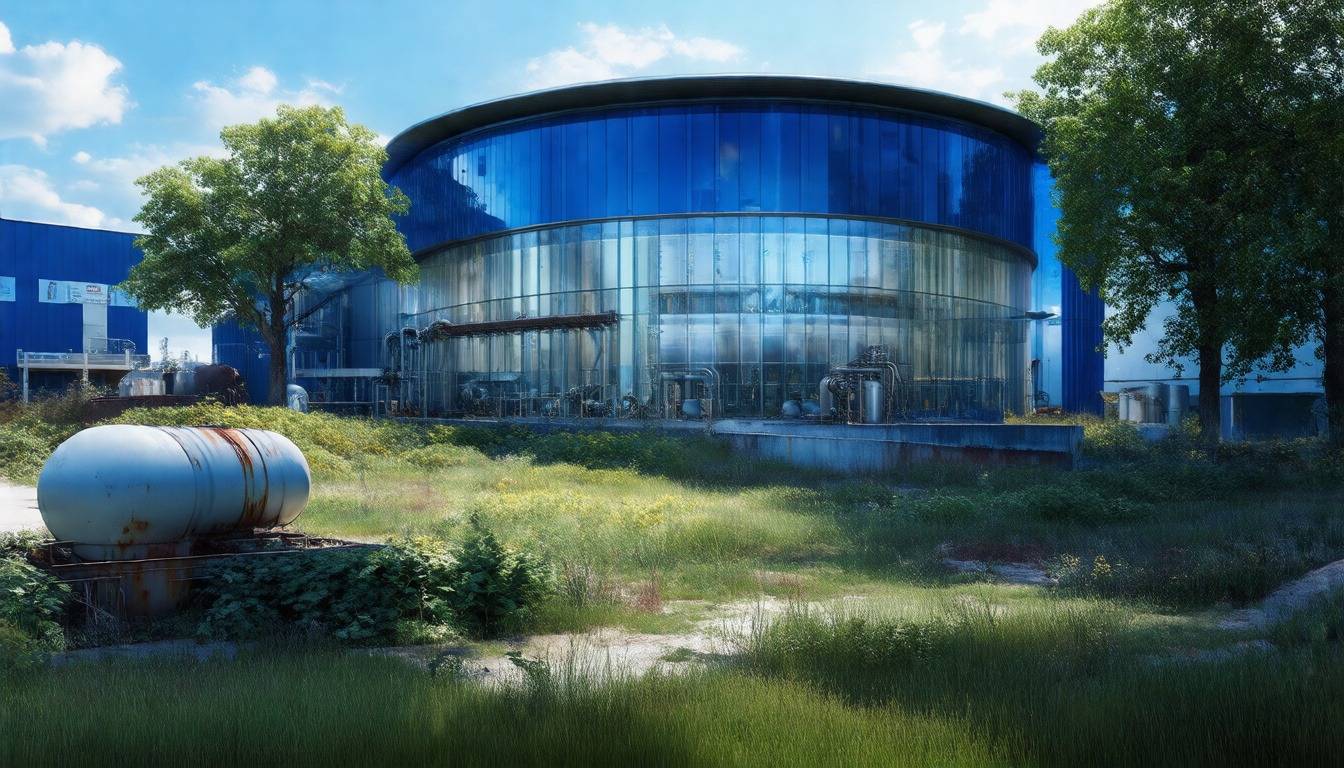
The recent announcement by Merck KGaA regarding the closure of its Arklow API production facility has raised eyebrows within the biopharmaceutical sector.
As the company embarks on a strategic review of its operations, this decision marks a pivotal moment not only for Merck KGaA but also for the overall landscape of pharmaceutical manufacturing.
Scheduled to close by the end of 2028, the implications of this move extend beyond internal business strategies, promising to reverberate through local economies and influence broader manufacturing trends in the industry.
This article explores the anticipated impact on the local economy and employment, alongside the shifting paradigms in biopharmaceutical manufacturing.
Key Takeaways
- Merck KGaA’s closure of the Arklow facility will significantly impact local employment and the economy.
- The decision highlights broader trends in the biopharmaceutical industry regarding manufacturing strategies.
- This strategic shift may influence other companies to reconsider their own production operations and investments.
Impact on Local Economy and Employment
The recent announcement by Merck KGaA regarding the closure of its Arklow, Ireland facility marks a critical turning point for the local economy and employment landscape.
As the company shifts its focus away from active pharmaceutical ingredient (API) production, the impending closure set for the end of 2028 raises substantial concerns for the workforce and the broader community.
Historically, this facility has played a pivotal role in providing jobs and sustaining local businesses that depend on the biopharma sector.
With the biopharmaceutical industry undergoing transformative changes, driven by factors such as globalization, technological advancements, and competitive forces, this strategic decision underscores not only the challenges faced by manufacturers but also highlights the need for adaptable workforce strategies in affected regions.
The impact on local employment will likely reverberate beyond the immediate loss of jobs, affecting ancillary services, local vendors, and the socioeconomic fabric of Arklow.
As the industry continues to evolve, stakeholders must engage in proactive planning and support initiatives to mitigate the ramifications of such significant operational shifts.
Shifts in Biopharmaceutical Manufacturing Trends
In light of Merck KGaA’s strategic pivot, other biopharmaceutical companies are similarly reassessing their manufacturing processes to enhance efficiency and sustainability.
The shift towards biologics and personalized medicine is driving a demand for more flexible and technologically advanced facilities.
As companies invest in cutting-edge biomanufacturing techniques, such as continuous manufacturing and automation, the traditional batch production methods are giving way to a more streamlined approach that can reduce costs and improve product quality.
Furthermore, with increasing regulatory scrutiny and a heightened emphasis on safety, companies are under pressure to innovate while maintaining compliance with stringent guidelines.
These trends are reshaping the landscape of biopharmaceutical manufacturing, emphasizing the importance of agility and forward-thinking strategies in a rapidly changing market.