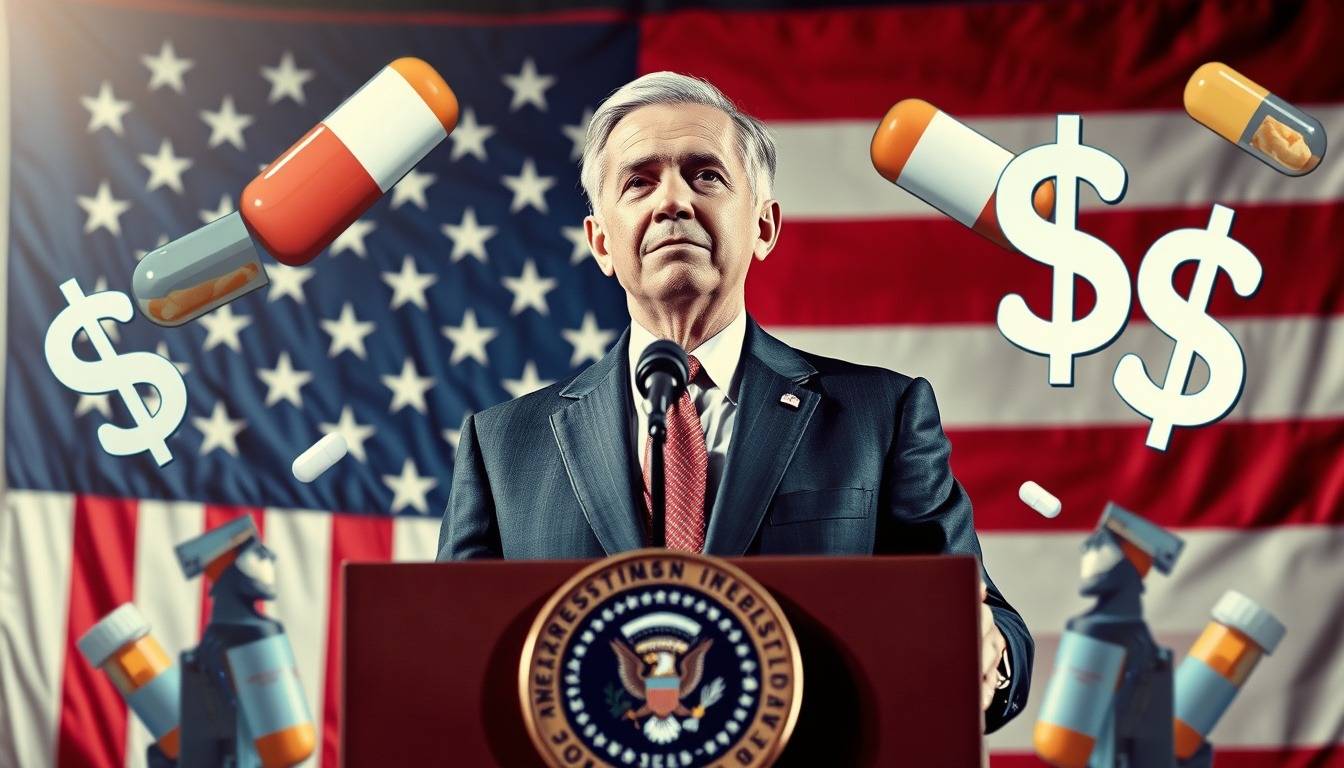
In a bold move aimed at transforming the landscape of prescription drug costs in the United States, President Donald Trump has emphasized his uncompromising fight against soaring prices by advocating for ‘most favored nation’ (MFN) pricing.
This proposed strategy seeks to ensure that U.S.
consumers pay no more for their medications than what is paid in other developed nations, specifically targeting the disparities that have long afflicted American consumers.
With recent letters dispatched to major pharmaceutical companies demanding compliance within a tight 60-day timeframe, Trump’s initiative has ignited crucial discussions surrounding how drug pricing is determined and how it impacts both consumers and the industry.
In this article, we demystify the concept of MFN pricing, explore its potential implications for pharmaceutical companies, and delve into the overall impact on consumers navigating the often daunting world of medication costs.

Key Takeaways
- Trump’s ‘most favored nation’ pricing initiative seeks to align U.S. drug prices with the lowest rates in developed countries.
- The initiative aims to reduce healthcare costs and improve affordability for American consumers.
- Major pharmaceutical companies are facing pressure to adapt pricing strategies in response to Trump’s demands.
Understanding ‘Most Favored Nation’ Pricing
In the realm of healthcare reform, understanding ‘Most Favored Nation’ (MFN) pricing is crucial to grasping the current dynamics between pharmaceutical companies and U.S.
drug pricing policies.
Under MFN pricing, drug manufacturers are obligated to offer Americans the same low prices that their products receive in other advanced markets, which typically negotiate more aggressively.
Recently, President Donald Trump has put significant pressure on major pharma companies to embrace this pricing strategy within a stringent 60-day timeframe.
His letters to over a dozen prominent manufacturers highlight his administration’s commitment to curbing the rising cost of medications.
As healthcare expenses continue to soar for U.S.
consumers, this initiative is part of a broader strategy aimed at enhancing affordability and transparency within the industry.
The implications of implementing MFN pricing may lead to a significant restructuring of how drug prices are determined in the U.S., spotlighting the longstanding disparity between American prices and those in other developed nations.
As this debate unfolds, the potential response from pharmaceutical companies, along with legislative reactions, will shape the future landscape of drug pricing in America.
Implications for Pharmaceutical Companies and Consumers
As the debate around drug pricing intensifies, pharmaceutical companies are grappling with the potential consequences of adopting the ‘most favored nation’ pricing model.
If fully implemented, this approach could lead to drastic shifts in market dynamics, compelling manufacturers to adjust their pricing strategies significantly to remain competitive.
Consumers stand to benefit from potentially lower drug costs, as the direct correlation between U.S.
prices and those in other countries could foster a more equitable healthcare system.
Furthermore, as companies reassess their pricing frameworks, there will likely be increased pressure for transparency in drug pricing, giving consumers the power to make informed choices about their medications.
The long-term effects of these changes will depend on how effectively pharmaceutical companies can navigate this landscape while still sustaining innovation and access to vital medications.