
The recent rejection of Vyglxia by the FDA has thrown Biohaven Pharmaceuticals into a whirlwind of challenges, forcing the company to rethink its strategies and operations.
Vyglxia, a drug aimed at treating rare genetic disorders, had the potential to change the lives of many suffering from conditions that impair coordination and muscle control.
As Biohaven grapples with this setback, a drastic 60% reduction in their research and development (R&D) spending has been announced, igniting discussions about the company’s future and its remaining projects.
In this article, we will delve into the implications of the FDA’s decision, the company’s strategic pivot, and what lies ahead for Biohaven Pharmaceuticals and its promising but now uncertain portfolio of drugs.
Key Takeaways
- Biohaven Pharmaceuticals faces a major setback with the FDA’s rejection of Vyglxia, vital for treating rare genetic disorders.
- The FDA’s concerns over the trial’s design have forced Biohaven to cut R&D spending by 60% and restructure its drug portfolio.
- Analysts warn that this rejection could significantly impact Biohaven’s financial strategy and market position.
Impact of FDA Rejection on Biohaven Pharmaceuticals
The recent FDA rejection of Biohaven Pharmaceuticals’ proposed medication, Vyglxia, has had a profound impact on the company, which specializes in developing innovative treatments aimed at rare genetic disorders affecting coordination and muscle control.
This setback has forced Biohaven to announce a staggering 60% reduction in its research and development (R&D) spending.
In the first half of 2025 alone, the company had already committed $315 million toward R&D initiatives addressing a range of diseases, including cancer and various neurological conditions.
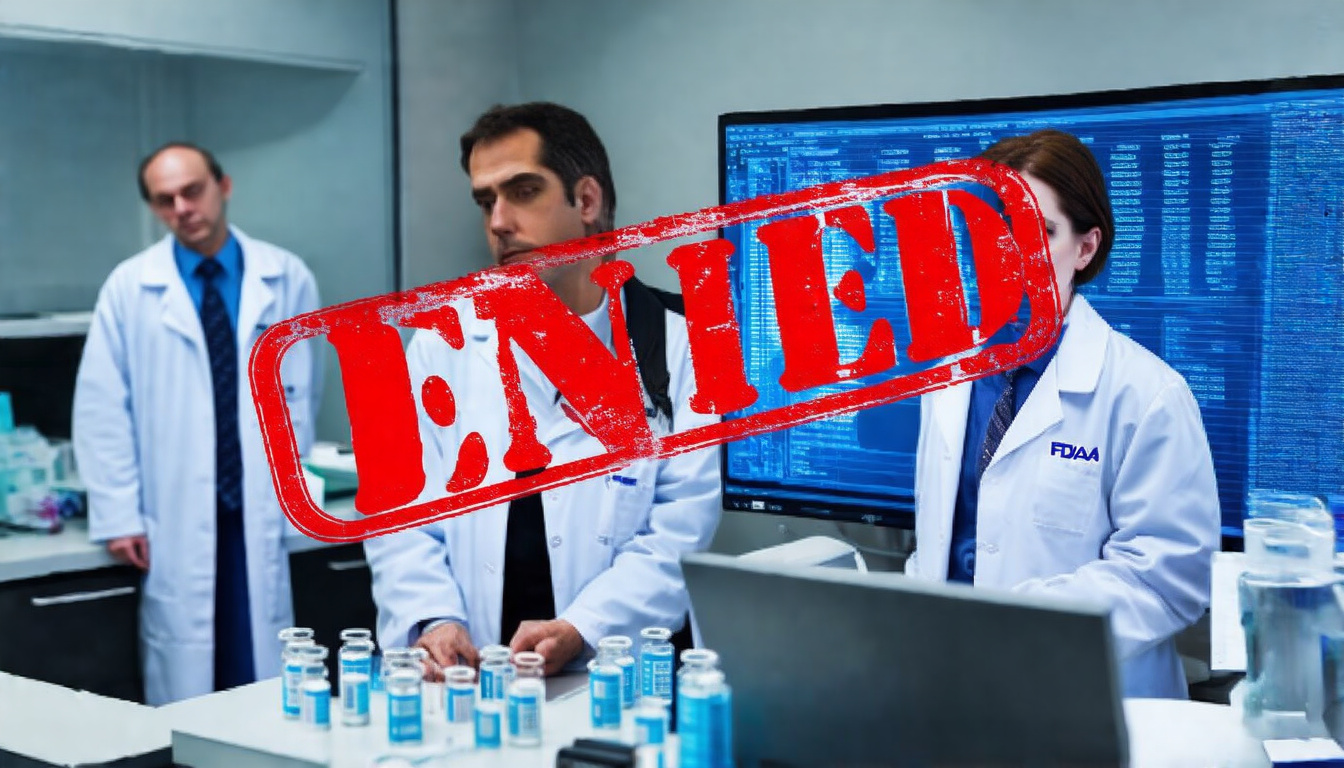
The FDA’s decision came primarily due to concerns over the clinical trial’s design, which notably lacked a control group and relied on comparisons to historical data, raising serious questions about potential biases and the overall credibility of the findings.
The trial involved more than 900 participants diagnosed with spinocerebellar ataxia, a condition that affects coordination, and preliminary results suggested that Vyglxia might have the potential to significantly slow disease progression, boasting reported advantages anywhere from 50% to 70%.
In light of the FDA’s ruling, Biohaven plans to pivot its focus and streamline its pipeline by prioritizing four key drug candidates, particularly those targeting major depression and muscle-related disorders.
Industry analysts view the rejection as a substantial hurdle for Biohaven, leaving uncertainty around Vyglxia’s prospects and its potential revenue contributions which are now at risk, especially after a recent $150 million funding deal fell through.
As of late June, the company reported $166 million in cash on hand and nearly $240 million in marketable securities.
Biohaven’s situation highlights the ongoing challenges and evolving scrutiny within the biopharmaceutical landscape, particularly regarding the FDA’s stringent drug approval processes.
Future Strategies and Drug Portfolio Restructuring
As Biohaven Pharmaceuticals rethinks its strategic direction in light of the FDA’s recent rejection of Vyglxia, the company is set to focus on a revised drug portfolio that aims at strengthening its financial stability and therapeutic impact.
By directing resources toward four prioritized drug candidates, which include treatments for conditions such as major depression and muscle disorders, Biohaven is attempting to stabilize its market position amid the turbulence.
This restructuring comes at a crucial juncture when the biopharma sector is witnessing an increase in regulatory scrutiny, highlighting the importance of robust clinical trial designs that meet FDA expectations.
With the planned cuts in R&D spending, Biohaven aims to optimize its budget, ensuring that investments are concentrated where they could yield the most potential benefit in both patient outcomes and financial returns.