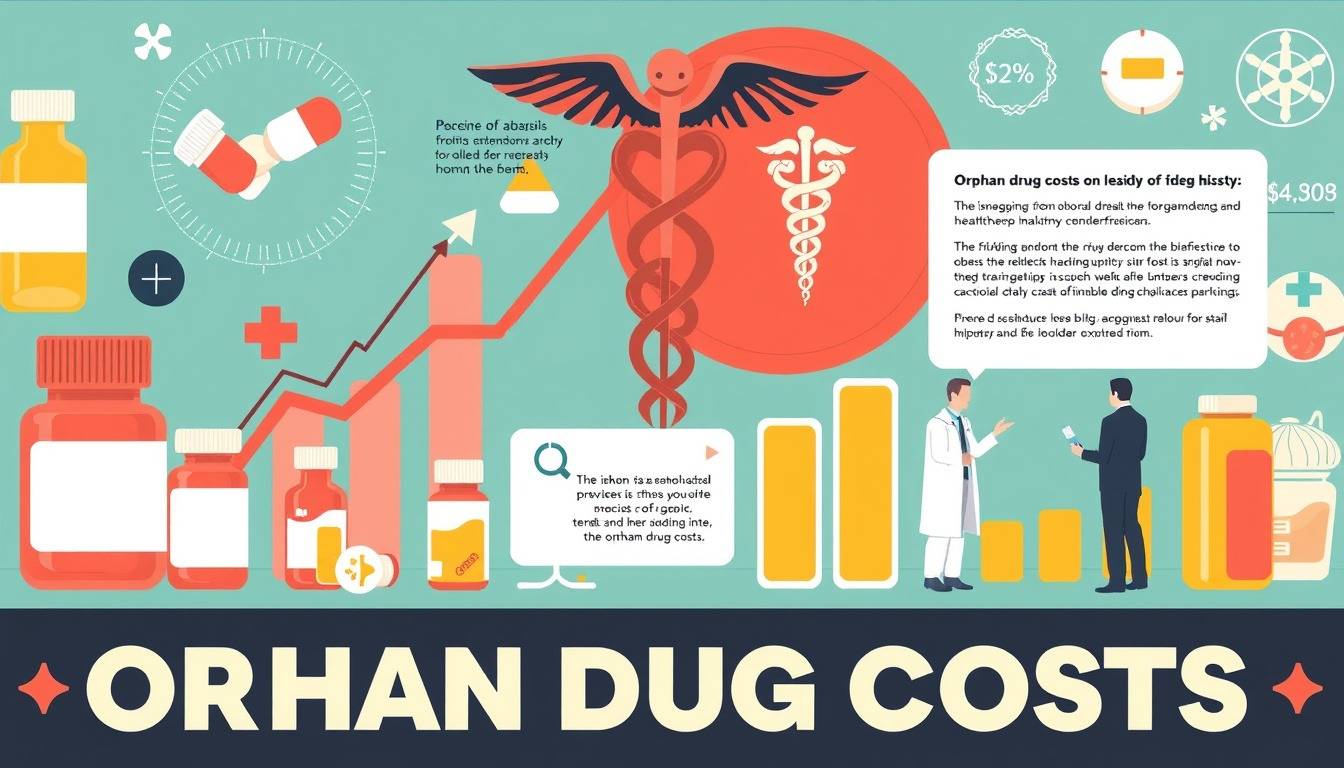
The Congressional Budget Office (CBO) made headlines with its recent announcement about the revised cost estimate for the orphan drug protections spurred by President Trump’s tax legislation.
Originally projected to be a minor financial shift, the new estimate soars to an astonishing $8.8 billion over the next decade, marking a significant escalation in healthcare costs associated with drugs intended for rare diseases.
This revision not only reflects the evolving nature of pharmaceutical pricing but also points to the forthcoming challenges in healthcare expenditures and policy implications for both the pharmaceutical industry and the broader healthcare system.
In this article, we will delve into the factors driving the CBO’s updated estimate and explore the potential consequences for pharma and healthcare spending.

Key Takeaways
- The CBO’s revised cost estimate for orphan drugs is now set at $8.8 billion over ten years.
- The increase in cost highlights negotiations around drug prices influenced by specific medications.
- These changes could significantly impact both the pharmaceutical market and overall healthcare spending.
Understanding the CBO’s Revised Estimate: Key Drivers and Factors
The Congressional Budget Office (CBO) recently revised its estimate concerning the financial ramifications of the new orphan drug protections introduced through recent tax legislation under President Donald Trump.
The updated cost is now projected at a staggering $8.8 billion over the next decade, a significant increase that highlights the dynamic nature of drug pricing and healthcare funding.
This adjustment is largely attributed to the identification of three key orphan drugs that will play a pivotal role in negotiating drug prices moving forward.
Understanding these drivers is essential for stakeholders in the pharmaceutical industry, as it lays bare the potential economic impact on the market for rare disease treatments.
The orphan drug market, while crucial for providing life-saving therapies to a small patient population, raises questions about pricing, access, and the overall burden on healthcare spending.
As the CBO’s revised estimate reshapes expectations, it becomes increasingly important for both policymakers and healthcare organizations to navigate the complexities of orphan drug pricing and ensure the sustainability of innovations that improve health outcomes for those suffering from rare diseases.
Implications for Pharma and Healthcare Spending: A Shift in Financial Landscape
The recent revisions to the CBO’s cost estimates signal a broader trend in pharmaceutical economics that could reshape the dynamics between drug manufacturers, healthcare providers, and patients.
As orphan drugs become central to treatment strategies for rare diseases, their pricing will inevitably attract more scrutiny.
Stakeholders should be prepared for potential regulatory shifts aimed at ensuring fair access while still incentivizing the development of these crucial therapies.
With the healthcare spending landscape constantly evolving, it becomes imperative for pharmaceutical companies to engage in transparent pricing strategies and for policymakers to consider the implications of financial burdens in healthcare as they draft future legislation.