
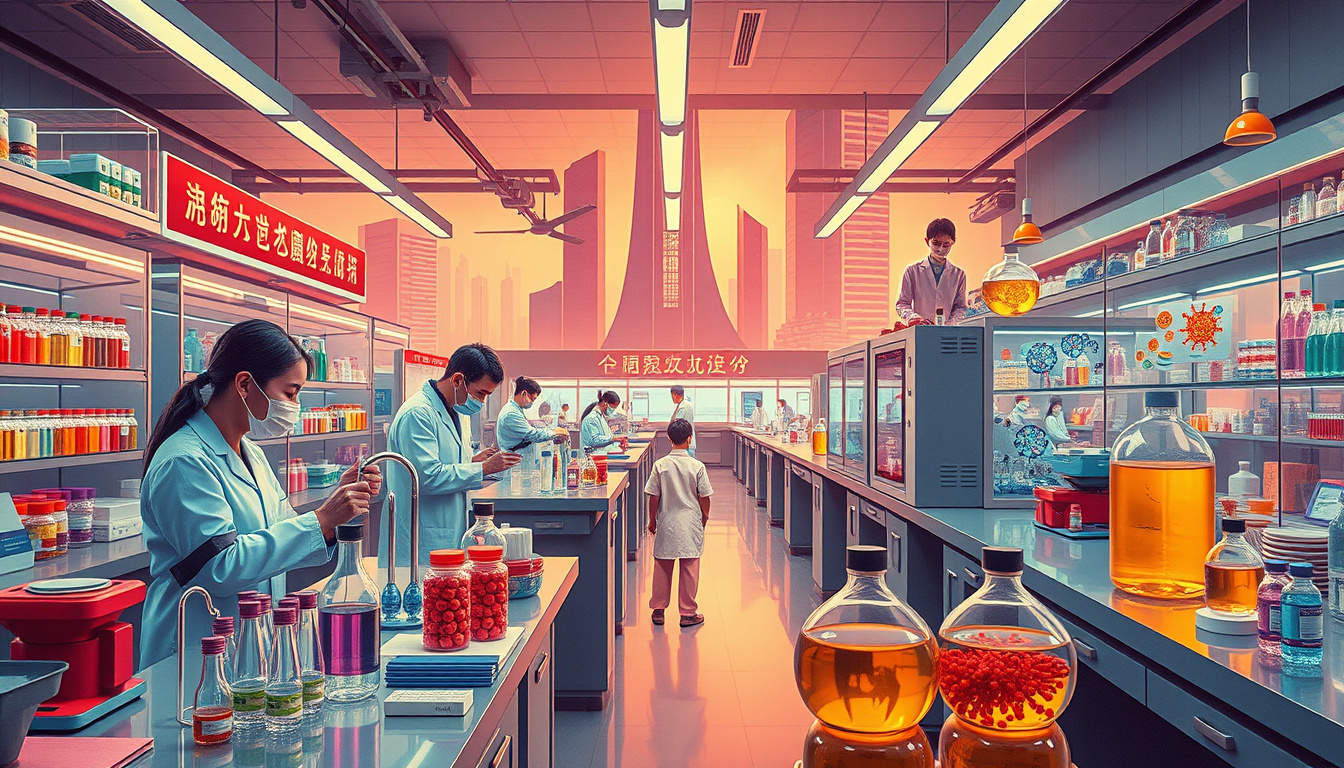
In recent years, China’s biotechnology sector has undergone a remarkable transformation, shedding its image as merely a follower in the global drug development arena.
Once characterized by generic drug manufacturing and copycat innovations, China’s biotech industry is now emerging as a powerhouse of original research and cutting-edge drug discovery.
This evolution has been propelled by a confluence of factors, including the influx of highly skilled professionals, a more flexible regulatory environment, and a relentless pace of innovation that is redefining the boundaries of what’s possible in medicine.
As industry experts suggest, China is not just catching up; it is on the verge of leading the next wave of global pharmaceutical advancements.
In this article, we delve into the evolution of China’s biotech landscape and the key drivers that are fueling its rise as a frontier innovator in drug development.
Key Takeaways
- China’s biotech industry is transforming from a fast-follower to a leader in drug development.
- Key factors driving this change include increased talent, regulatory flexibility, and rapid innovation.
- The advancements in China’s biotech sector are reshaping the global landscape for drug development.
The Evolution of China’s Biotech Landscape
China’s biotech industry is undergoing a remarkable transformation, breaking free from its past identity as a fast-follower in drug development.
Traditionally seen as a source of generic drugs, China is now establishing itself as a formidable player in the global biotechnology arena.
This evolution is driven by several key factors.
First, the country has seen a significant influx of high-quality talent, as scientists and researchers trained in the West return home, bringing with them innovative ideas and advanced methodologies.
Additionally, China’s regulatory landscape has become more flexible, enabling quicker approval processes for new therapies, which fosters a culture of rapid innovation.
This combination of talent and streamlined regulations allows Chinese biotechs to not only keep pace with global trends but also to lead in certain areas of drug discovery and development.
As industry executives note, this shift signals a growing capability for original and innovative drug development in China, positioning the nation as a leader in transforming the global biotech landscape.
With ongoing investments in research and development, the future of China’s biotech industry looks promising, heralding a new era of groundbreaking drug therapies that could change the lives of patients worldwide.
Key Drivers of Innovation and Originality in Drug Development
One of the most significant drivers of this transformation is the collaboration between academia and industry, which has fostered an ecosystem conducive to innovation.
Universities and research institutions are now partnering with biotech companies to conduct cutting-edge research, not only generating new ideas but also facilitating their swift translation into clinical applications.
Furthermore, advancements in technology, such as artificial intelligence and machine learning, are being leveraged to streamline the drug discovery process, enabling biotechs to uncover novel drug candidates at an unprecedented pace.
This technological infusion enhances the potential for originality, allowing companies to identify unique therapeutic targets that were previously overlooked.
These collaborations and tech advancements collectively empower Chinese biotechs to innovate and adapt rapidly to market needs, making significant strides in creating effective, tailor-made therapies that meet the demands of a diverse patient population.