Detailed Explanation: FDA Rejection of Replimune’s RP1 Skin Cancer Therapy
Overview of the Event
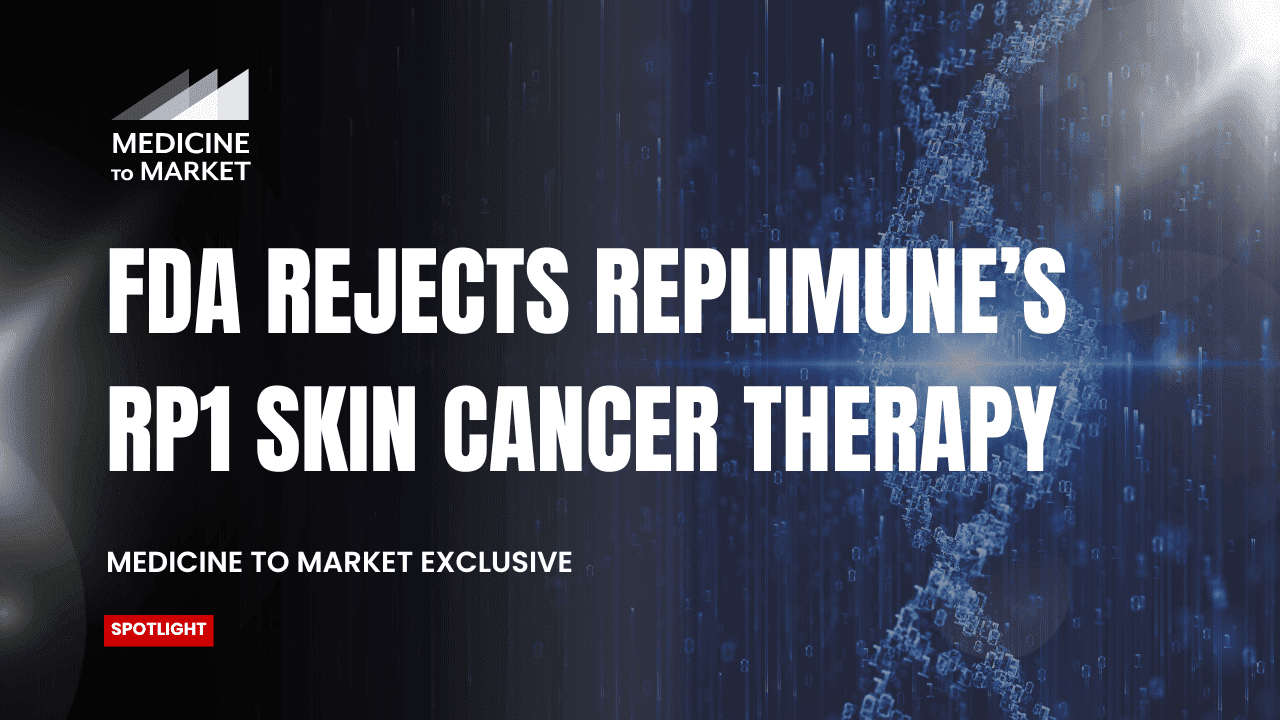
On July 22, 2025, the U.S. Food and Drug Administration (FDA) rejected Replimune Group’s application for RP1, a viral-based therapy designed for patients with advanced skin cancer. This decision is significant because it highlights a notably tougher regulatory stance under Vinay Prasad, the FDA’s newly appointed leader for cell and gene therapies.
What is RP1 and How Was It Developed?
RP1 is an experimental oncolytic immunotherapy derived from a genetically modified herpes simplex virus. It’s engineered to selectively infect and destroy cancer cells while stimulating the patient’s immune system.
It was studied primarily in combination with the immune checkpoint inhibitor, nivolumab, especially for patients whose melanoma had not responded to anti-PD1 therapies.
The FDA’s Grounds for Rejection
Main Reasons Cited
The FDA found Replimune’s primary clinical trial (“IGNYTE”) to be “not considered to be an adequate and well-controlled clinical investigation that provides substantial evidence of effectiveness.”
The agency specifically noted that the diversity and variability (“heterogeneity”) of the patient population in the trial made the data difficult or impossible to interpret reliably.
As a result, the FDA concluded that the evidence was insufficient to support approval of RP1 for the proposed indication.
What Does “Heterogeneity of the Patient Population” Mean?
The IGNYTE trial included various subpopulations of skin cancer patients, including those with different prior therapies and disease characteristics.
Such heterogeneity makes it challenging to assess whether a drug works consistently, as it’s harder to “control” variables that might influence clinical outcomes, and statistical confidence in the drug’s benefit is weakened.
The Clinical Data Submitted
In company updates and external analyses, RP1 (with nivolumab) showed an overall response rate of about 33-35% in patients for whom anti-PD1 therapy had failed. Most responses lasted over six months, and safety events were generally mild.
However, the FDA’s standard requires that clinical benefits be demonstrated via well-controlled, interpretable trials—especially since the therapy is novel and intended for patients with advanced disease.
The Broader Regulatory Context
Vinay Prasad’s Influence
Vinay Prasad, recently appointed as head of the FDA’s Center for Biologics Evaluation and Research (CBER), is known for his strict views on drug approval standards, particularly for gene and cell therapies.
He has criticized the use of “accelerated” pathways and approval based on so-called “surrogate endpoints” that may not reflect meaningful health improvements or survival benefits.
Prasad supports randomized, well-controlled studies with clear, direct measures of benefit. His appointment signals a shift away from the previous era of flexible, expedited review processes for innovative therapies.
Impact on Industry and Patients
The tougher stance worries biotech companies developing novel cell and gene therapies, as it raises the bar for the kind and quality of evidence required for FDA approval.
While the intent is to ensure only effective and safe drugs reach the market, some argue that it could slow access to promising therapies for patients with limited treatment options.
Summary Table: Key Points in the FDA Decision
| Aspect | Details |
|---|---|
| Drug | RP1 (Replimune) |
| Disease | Advanced skin cancer (esp. melanoma) |
| Type | Oncolytic viral therapy |
| Clinical Trial Concerns | Not adequately controlled; high patient population heterogeneity |
| FDA Decision | Rejection due to insufficient evidence of effectiveness |
| Regulatory Context | Reflects stricter standards under Vinay Prasad’s leadership at FDA/CBER |