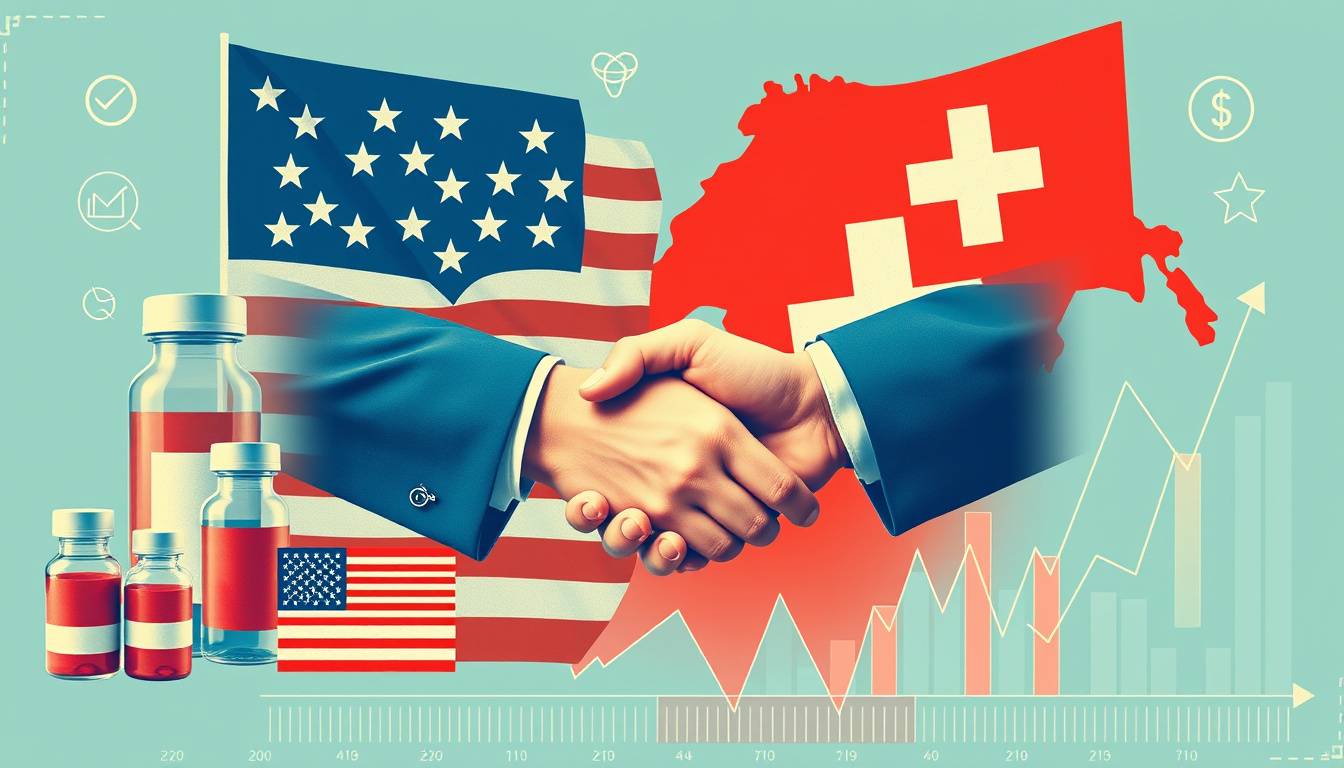
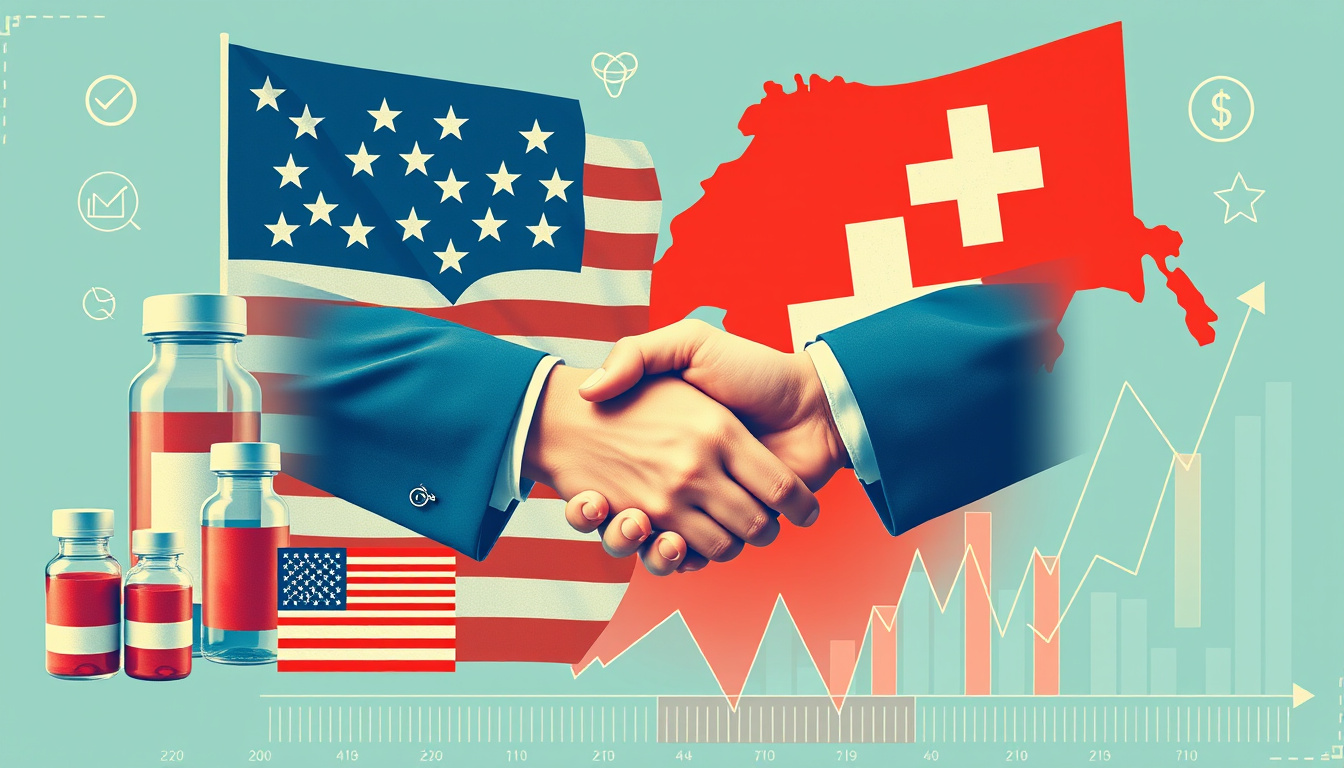
The recent announcement from the White House about a new trade deal, aimed at capping tariffs on pharmaceutical imports from Switzerland and Liechtenstein at 15%, has generated significant interest in the pharmaceutical market.
This strategic move is part of the broader efforts to streamline the import costs of branded medications, ensuring they remain accessible to American consumers.
The implications of this agreement stretch far beyond just the numbers; they influence pricing strategies, product availability, and ultimately, the competitive landscape of the healthcare industry in the U.S.
In this article, we will explore the potential impacts of this trade deal on pharmaceutical pricing and availability in the U.S.
market.
Key Takeaways
- The new trade deal caps Swiss pharmaceutical tariffs at 15%, impacting overall drug pricing in the US.
- By limiting tariffs, the agreement aims to stabilize import costs and enhance pricing predictability for pharmaceuticals.
- This development is likely to improve the availability of Swiss and Liechtenstein drugs in the US market, fostering competition.
Impact on Pharmaceutical Pricing in the US
The recent announcement from the White House regarding a new trade deal has significant implications for pharmaceutical pricing in the United States.
By capping tariffs on branded pharmaceutical products imported from Switzerland and Liechtenstein at 15%, the U.S.
government aims to create a more stable and predictable trading environment for these crucial health products.
This agreement is part of broader efforts to regulate the pharmaceutical supply chain, ultimately impacting the pricing structures and availability of these imported medications.
Importantly, the U.S.
will enforce a policy where the higher of the existing tariff rates or the new cap is applied, meaning that the maximum tariff will not exceed 15%.
This move is expected to lead to more competitive pricing for consumers, potentially reducing out-of-pocket costs for patients who rely on medications from these countries.
As the pharmaceutical market continues to evolve, this trade deal could usher in a new era of affordability and accessibility, benefiting not only patients but also healthcare providers facing rising costs.
Effects on Product Availability and Market Competition
The implications of this trade deal extend beyond just pricing; they also influence market competition significantly.
By reducing tariff barriers, U.S.
consumers are likely to benefit from increased access to a wider range of pharmaceutical products from Switzerland and Liechtenstein.
This enhanced product availability can foster a competitive environment among domestic and international pharmaceutical companies.
As prices stabilize under the new tariff structure, businesses may be encouraged to innovate and improve their offerings, striving to attract consumers who are increasingly informed and price-sensitive.
Furthermore, this shift may prompt local manufacturers to adapt their strategies in response to the evolving market dynamics, fostering a stronger focus on efficiency and cost management to remain competitive.
Overall, this trade agreement is poised to reshape how pharmaceutical products are imported and marketed in the U.S., promising greater choices and potentially lowering healthcare costs for patients.